AI Economists Warn Governments to Prepare for an Driven Economic Revolution
Summary
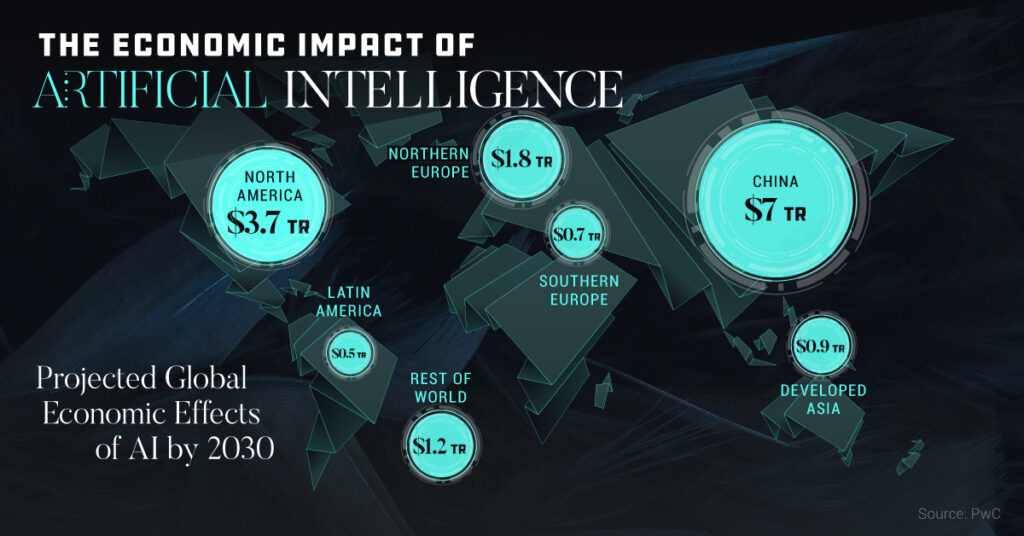
Artificial intelligence is no longer viewed solely as a technology trend—it is increasingly being recognized as a force that could fundamentally reshape the global economy. More than 200 economists, AI researchers, and policy experts have signed a joint statement urging governments to prepare for AI’s long-term economic effects, including changes to employment, productivity, and public policy.
What Happened?
More Than 200 Experts Sign Joint Statement
A coalition of over 200 experts, including 15 Nobel Prize winners and researchers from leading AI organizations such as OpenAI, Anthropic, and Google, has called on governments to take AI’s economic impact seriously. The group argues that policymakers should begin developing strategies now rather than waiting until AI-related disruptions become widespread.
AI Could Transform the Global Economy Faster Than Expected
According to the experts, artificial intelligence has the potential to reshape industries at a pace comparable to—or even faster than—the Industrial Revolution. While AI could unlock significant productivity gains and economic growth, it may also accelerate job displacement and require new approaches to education, workforce development, and social policy.
Why It Matters
The discussion around AI is shifting from model releases and chatbot features to broader economic consequences. Governments, businesses, and educational institutions may need to rethink how they prepare workers for an AI-driven economy.
For companies, this means AI adoption is becoming a strategic necessity rather than an optional innovation. Businesses that successfully combine AI with employee upskilling and responsible governance are likely to be better positioned for future growth.
Impact on Businesses
Business leaders should pay attention to several emerging trends:
- AI investment is accelerating across industries.
- Companies are automating more routine tasks.
- Demand for AI-related skills continues to grow.
- Workforce training is becoming increasingly important.
- Governments may introduce new AI regulations and economic policies.
These developments suggest that organizations should begin planning not only for AI implementation but also for its broader workforce and operational impacts.
Expert Analysis
The most significant takeaway from today’s development is that AI has become an economic issue, not just a technology issue.
While discussions often focus on new AI models or software features, experts are emphasizing that artificial intelligence will influence labor markets, business competitiveness, education systems, and national economic strategies. Organizations that prepare early by investing in AI literacy, automation, and responsible deployment are likely to adapt more successfully than those that delay action.
Conclusion
The joint statement from leading economists and AI researchers highlights a growing global consensus: artificial intelligence is set to become one of the defining economic forces of the coming decade. As AI capabilities continue to advance, governments and businesses alike will need proactive strategies to maximize the technology’s benefits while addressing its potential challenges.